Hardwood flooring adds warmth, texture, and character to a home, yet the surface demands thoughtful care if owners want boards to last for decades. Many homeowners search for dependable advice because cleaning hardwood floors incorrectly can dull the finish, leave residue, or slowly weaken protective coatings. How to clean hardwood floors becomes easier when people understand how moisture, dirt, and everyday wear interact with wood surfaces installed by a flooring contractor. The sections below explain cleaning methods, routine care, and professional insight often shared by a flooring company that works with hardwood flooring every day.
- Wood flooring reacts to moisture changes, which is why proper cleaning matters
- Routine care protects the finish applied during installation
- Correct tools prevent scratches and surface dulling
How to Clean Hardwood Flooring Safely
Homeowners often discover that hardwood flooring needs a different approach than tile or vinyl surfaces, and a flooring contractor typically explains this during installation. One homeowner once wiped floors with a soaked mop and noticed cloudy streaks forming across the boards, which happens because excess water slips between seams and disrupts the finish. A professional flooring company usually recommends light cleaning with controlled moisture rather than heavy soaking. Experience with hardwood flooring shows that gentle care keeps the surface looking polished year after year. The National Wood Flooring Association (NWFA) advises homeowners to avoid wet mops and steam mops because excessive water can damage both the wood and its finish over time, making proper cleaning techniques essential for preserving hardwood flooring.
- Microfiber tools collect dirt without grinding it into the finish.
- Light moisture removes grime while protecting the wood.
- Professional guidance from a flooring contractor prevents damage.
Types of Hardwood Flooring
Different forms of hardwood flooring respond to cleaning in slightly different ways because construction methods vary. Solid hardwood boards contain a single piece of timber, while engineered hardwood flooring includes layered materials that resist minor humidity shifts. A flooring contractor often evaluates the type of flooring before recommending cleaning routines because finishes and coatings differ. The U.S. Forest Service notes that hardwood floors can last over 100 years when maintained correctly, which explains why many flooring professionals stress proper care.
- Solid hardwood flooring consists of a full wood plank
- Engineered flooring contains layered construction for stability
- Surface finishes determine which cleaning methods are safe
Best Hardwood Floor Cleaners
Cleaning solutions designed for hardwood flooring help remove residue while protecting the finish applied during installation. The Environmental Protection Agency reports that indoor dust often carries soil particles that can scratch wood surfaces if left unchecked. A flooring company often suggests pH neutral cleaners that leave little residue behind. Homeowners often notice that gentle products combined with soft cleaning tools keep hardwood flooring bright without harming protective coatings.
- Neutral cleaners protect sealed hardwood flooring surfaces
- Microfiber pads trap dust rather than pushing it around
- Low moisture cleaning protects wood fibers
Daily Hardwood Floor Cleaning
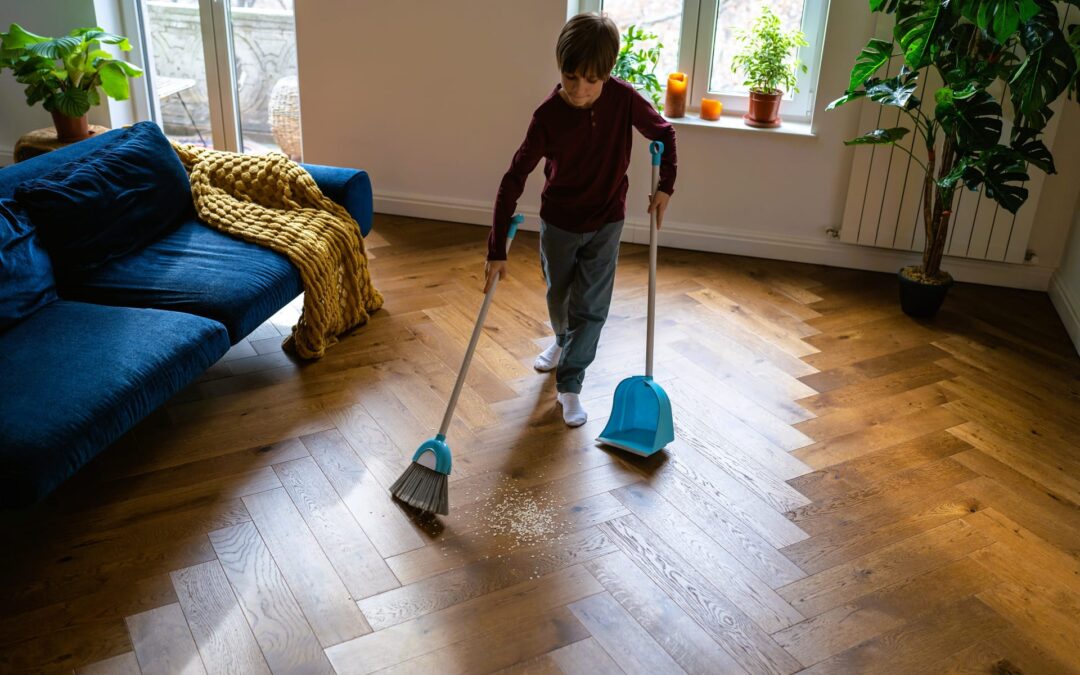
Regular maintenance makes the largest difference in how hardwood flooring looks over time. The Centers for Disease Control and Prevention explains that household dust collects quickly inside homes, and small particles can scratch finishes when people walk across them. A flooring contractor usually recommends light sweeping or microfiber dusting each day because grit behaves like sandpaper on wood floors. Consistent care from homeowners helps hardwood flooring maintain its appearance.
- Dry dusting removes particles before scratches appear
- Soft brooms prevent scuffs on sealed flooring
- Entry mats reduce tracked debris
Weekly Deep Cleaning Steps
Weekly cleaning removes residue that daily dusting cannot catch, especially in busy households. The U.S. Department of Housing and Urban Development explains that indoor air can carry dirt and allergens that settle on flooring surfaces over time. A flooring company normally advises homeowners to mop hardwood flooring using a damp microfiber pad instead of soaking the boards. Controlled moisture lifts dirt while protecting the finish installed by a flooring contractor.
- Damp microfiber mops remove surface buildup
- Quick drying prevents moisture absorption
- Routine schedules maintain hardwood flooring appearance
How to Mop Hardwood Floors
Correct mopping technique protects hardwood flooring from long term damage while still removing grime. A flooring specialists often demonstrates this process by lightly misting cleaner onto the floor instead of pouring liquid directly onto wood. Excess water can seep into joints, then swelling may occur, and the surface can lose its smooth finish. Flooring company technicians frequently recommend mopping in the direction of the wood grain.
- Light misting keeps moisture controlled
- Cleaning along the grain protects wood fibers
- Soft microfiber pads reduce abrasion
Removing Stains From Flooring
Stains occasionally appear on hardwood flooring because spills happen, pets track dirt inside, and daily activity leaves marks. The U.S. Department of Agriculture notes that wood contains porous fibers that can absorb liquids if spills remain untreated. A flooring company normally suggests addressing stains quickly with a soft cloth and a mild cleaner recommended for hardwood flooring. A flooring contractor may refinish sections of flooring if stains penetrate deeply.
- Prompt cleanup prevents absorption
- Gentle cloth wiping protects finishes
- Professional refinishing restores worn areas
Preventing Scratches and Damage
Scratches often occur when dirt or furniture slides across hardwood flooring. The National Park Service, which maintains historic wood structures, recommends protective pads and routine cleaning to prevent abrasion on wooden surfaces. A flooring contractor usually installs felt protectors beneath furniture legs so movement does not scrape the floor. Homeowners who follow this advice often keep hardwood flooring smooth for decades.
- Furniture pads shield hardwood flooring surfaces
- Area rugs catch debris near entrances
- Regular sweeping prevents grit buildup
Safe Homemade Floor Cleaners
Some homeowners prefer mixing simple cleaning solutions for hardwood flooring instead of purchasing commercial products. The EPA notes that mild cleaning ingredients reduce indoor chemical exposure while still removing soil from household surfaces. A flooring company often suggests diluted solutions that contain very small amounts of soap combined with warm water applied using a microfiber cloth. Hardwood flooring responds well when cleaners remain gentle and moisture stays limited.
- Small soap mixtures lift residue
- Microfiber cloths reduce streaking
- Controlled moisture protects flooring surfaces
Cleaning Engineered Hardwood Floors
Engineered hardwood flooring includes layered construction which helps stabilize the wood when humidity changes. Most flooring specialists still recommends careful cleaning because the upper wear layer remains real wood. The U.S. Department of Energy explains that humidity shifts inside homes influence wood expansion and contraction. Flooring professionals often encourage homeowners to maintain moderate indoor humidity levels while cleaning engineered hardwood flooring.
- Stable indoor humidity protects wood structure
- Gentle cleaning protects the wear layer
- Microfiber dusting prevents scratches
When to Call a Flooring Contractor
Some hardwood flooring problems require professional attention rather than routine cleaning. Boards may begin cupping, finishes can fade, or deep scratches might appear after years of use. A flooring contractor has tools that sand and refinish hardwood flooring so the surface looks renewed again. Flooring professionals often restore worn floors through refinishing, which removes surface damage and applies a new protective coating. According to the National Park Service, wood flooring can often be preserved and restored rather than replaced, making refinishing a practical way to extend the life of hardwood flooring while maintaining its appearance and character.
- Refinishing restores hardwood flooring appearance.
- Professional sanding removes deep scratches.
- New protective coatings extend lifespan.
Long Term Flooring Maintenance Tips
Careful maintenance routines help hardwood flooring remain durable and visually appealing for decades. The National Association of Home Builders reports that properly maintained hardwood floors can last over 80 to 100 years, which explains why many flooring professionals recommend consistent cleaning habits. Homeowners who follow safe cleaning practices protect the finish applied by a flooring company while reducing wear caused by dust and moisture. Thoughtful care keeps hardwood flooring smooth, clean, and ready to handle everyday life.
- Routine cleaning protects hardwood flooring finish
- Humidity control protects wood stability
- Professional inspections detect early wear
Hardwood Flooring Cleaning Key Takeaways
- Hardwood flooring lasts longer when cleaned with minimal moisture
- Routine dust removal prevents scratches caused by debris
- Microfiber tools protect the professional finish that was applied
- Gentle cleaners remove dirt while protecting wood surfaces
- A flooring company can refinish worn hardwood flooring when needed
Frequently Asked Questions
Can hardwood flooring be cleaned with water?
Small amounts of moisture are safe when applied with a microfiber mop, though soaking wood flooring can cause swelling or finish damage.
How often should hardwood flooring be cleaned?
Light dusting works well each day while deeper cleaning often occurs once per week depending on foot traffic.
Do hardwood floors need special cleaners?
Products designed for sealed wood floors protect finishes and remove residue without leaving streaks.
Why does hardwood flooring look cloudy after mopping?
Cloudiness usually appears when excess water or harsh cleaning chemicals remain on the surface.
How long can hardwood flooring last in a home?
Properly maintained hardwood flooring can remain in place for many decades and sometimes more than a century according to housing research.