Laminate flooring offers the visual charm of wood while remaining easier to maintain, yet the surface still needs thoughtful care to prevent dulling and moisture damage. Many homeowners assume laminate flooring can handle the same cleaning methods as tile or vinyl, then streaks appear or seams swell and the finish loses its clarity. How to clean laminate floors becomes far simpler when people understand how dirt, moisture, and daily traffic affect flooring materials. According to a consumer flooring study published by the National Wood Flooring Association, 58% of homeowners rank easy-to-clean surfaces among the top attributes they consider when choosing flooring. The sections ahead explain cleaning routines, maintenance habits, and guidance often shared by professionals who install flooring for a living.
- Laminate flooring includes a protective wear layer that shields printed wood grain
- Routine cleaning prevents dirt from scratching flooring surfaces
- Controlled moisture protects laminate flooring from swelling
Laminate Flooring Cleaning Guide
Many homeowners first learn about laminate flooring care after noticing haze on the surface, which usually appears when heavy water or harsh chemicals touch the planks. One homeowner once tried cleaning laminate flooring with a soaked mop and quickly saw streaks spreading across the boards, the floor dried unevenly and left marks that looked worse than the original dust. A flooring contractor often explains that laminate flooring prefers gentle care with light moisture rather than heavy scrubbing. Simple habits make a difference.
- Microfiber tools capture dust without scratching laminate flooring
- Soft cleaning methods protect the wear layer
- Dry dusting prevents buildup across flooring surfaces
A Flooring Contractor’s Cleaning Advice
Flooring contractors often explain that laminate flooring contains a layered structure designed to resist minor spills while still reacting poorly to standing water. The U.S. Department of Agriculture Forest Products Laboratory notes that wood based products can expand when moisture remains trapped between seams. Professional installers frequently recommend light cleaning schedules that remove debris before scratches develop. Flooring contractors see this daily.
- Laminate flooring includes compressed fiberboard beneath the surface
- Moisture exposure can cause plank edges to swell
- Routine dust removal reduces abrasion
Flooring Maintenance Tips
A flooring company often reminds homeowners that laminate flooring stays attractive longer when simple maintenance routines are followed. The Environmental Protection Agency explains that indoor dust contains soil particles capable of scratching surfaces as people walk across floors. Regular cleaning removes that grit before it damages laminate flooring. Flooring company teams often share these reminders during installation visits.
- Entry mats collect debris before it reaches laminate flooring
- Microfiber cloths trap particles without spreading them
- Routine cleaning protects flooring appearance
Daily Laminate Flooring Cleaning
Daily care keeps laminate flooring looking clear while preventing tiny scratches from forming across the finish. The Centers for Disease Control and Prevention reports that dust accumulates quickly inside homes due to foot traffic and indoor air movement. A flooring contractor usually suggests sweeping or microfiber dusting laminate flooring once each day in busy households. Consistency matters.
- Dry microfiber pads remove surface debris
- Soft brooms prevent marks on laminate flooring
- Regular cleaning keeps flooring surfaces clear
Mopping Guide
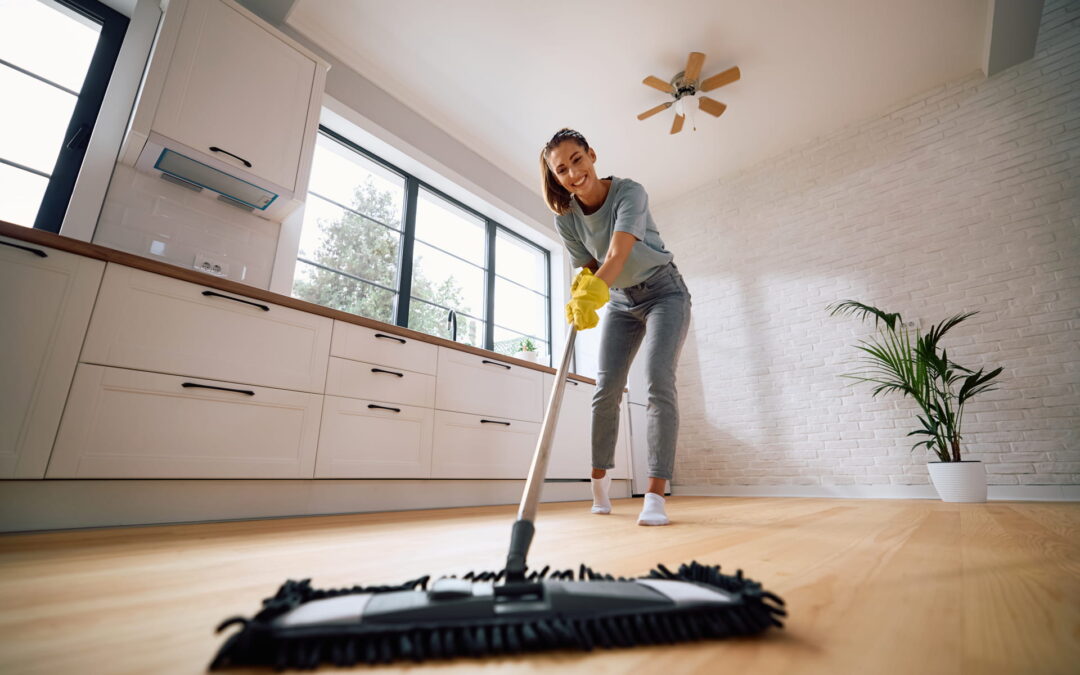
Light mopping removes residue that daily dusting may miss, yet moisture must stay controlled when cleaning laminate flooring. It is advised to start mopping with a lightly damp microfiber pad instead of pouring water across the floor. Excess liquid seeps into seams then the edges may lift or warp. Professional guidance usually includes drying the surface immediately.
- Damp microfiber mops lift dirt from laminate flooring
- Limited water prevents swelling
- Quick drying protects plank edges
Flooring Company Recommended Tools
A flooring company often recommends a small set of cleaning tools designed for laminate flooring surfaces. The National Institute of Standards and Technology has reported that abrasive cleaning tools gradually wear down protective coatings on many household materials. Gentle tools protect the wear layer that gives laminate flooring its realistic appearance. Flooring professionals usually suggest simple equipment.
- Microfiber mops clean laminate flooring without scratching
- Soft dusters collect particles from seams
- Light spray cleaners remove residue
Removing Stains From Flooring
Spills sometimes leave marks on laminate flooring when liquids sit too long on the surface. The Environmental Protection Agency notes that food residue can attract more dirt once it dries, which makes stains appear darker over time. Quick cleaning usually prevents permanent marks on laminate flooring. Flooring surfaces respond well to gentle wiping with a soft cloth.
- Immediate wiping prevents residue buildup
- Mild cleaning solutions remove sticky marks
- Soft cloths protect laminate flooring finish
Scratch Prevention
A flooring contractor often discusses scratch prevention because small debris can slowly damage laminate flooring. The National Park Service advises using protective pads beneath furniture to reduce wear on wood surfaces and similar materials. Laminate flooring responds well to the same approach because furniture legs can scrape the wear layer. Flooring contractors recommend simple prevention methods.
- Furniture pads shield laminate flooring surfaces
- Area rugs collect grit near entryways
- Regular cleaning prevents abrasion
Deep Cleaning
Occasional deep cleaning restores laminate flooring when routine care no longer removes built up residue. The U.S. Department of Housing and Urban Development explains that indoor air movement spreads dust across flooring surfaces throughout the home. A flooring company usually recommends light cleaning solutions combined with microfiber mops to remove grime safely. Laminate flooring regains clarity when residue disappears.
- Damp microfiber cleaning removes buildup
- Gentle products protect laminate flooring finish
- Routine maintenance keeps flooring surfaces bright
Laminate Flooring Moisture Protection
Moisture control remains one of the most important parts of caring for laminate flooring. The U.S. Department of Energy explains that indoor humidity can affect wood based materials used in flooring products. Laminate flooring contains compressed layers that react to excess moisture when water sits too long on the surface. The U.S. Environmental Protection Agency recommends keeping indoor humidity between 30% and 50%, a range that helps reduce moisture-related problems that can affect flooring materials and indoor environments. Proper cleaning protects the planks.
- Controlled humidity protects laminate flooring
- Quick spill cleanup prevents swelling
- Drying after mopping protects seams
Important Repair Signs
Damage sometimes develops on laminate flooring after years of use, which may require professional inspection. A flooring contractor can identify problems such as lifted edges, worn surfaces, or planks that shift under pressure. A flooring contractor’s repair work often includes replacing sections of laminate flooring rather than refinishing because laminate surfaces cannot be sanded. Professional guidance helps determine the best solution.
- Loose planks signal installation concerns
- Swollen seams may indicate moisture exposure
- Surface wear may require plank replacement
Long Term Care
Consistent cleaning habits help laminate flooring remain attractive for many years, and professionals often emphasize prevention rather than repair. The National Association of Home Builders reports that well maintained laminate flooring can last between 15 and 25 years depending on foot traffic. Homeowners who follow advice from a flooring company often notice that laminate flooring keeps its appearance much longer. Careful maintenance protects the surface.
- Routine cleaning preserves laminate flooring appearance
- Protective pads prevent surface scratches
- Humidity control supports flooring stability

Laminate Flooring Cleaning Key Takeaways
- Laminate flooring requires gentle cleaning with limited moisture
- Daily dust removal prevents scratches caused by debris
- Microfiber tools protect laminate flooring surfaces
- Furniture pads reduce damage caused by movement
- Professional inspection from a flooring contractor helps identify deeper issues
Frequently Asked Questions
Can laminate flooring be cleaned with water?
Light moisture applied with a microfiber mop works well, though standing water may cause plank edges to swell.
How often should laminate flooring be cleaned?
Light sweeping works well each day while damp cleaning typically occurs once each week depending on traffic levels.
Why does laminate flooring look cloudy after mopping?
Cloudy residue usually forms when too much cleaner or water remains on the surface.
Can laminate flooring be refinished like hardwood?
Laminate flooring includes a printed surface layer which means sanding and refinishing are not possible.
How long can laminate flooring last in a home?
Many laminate floors last between fifteen and twenty five years when homeowners follow proper maintenance routines.