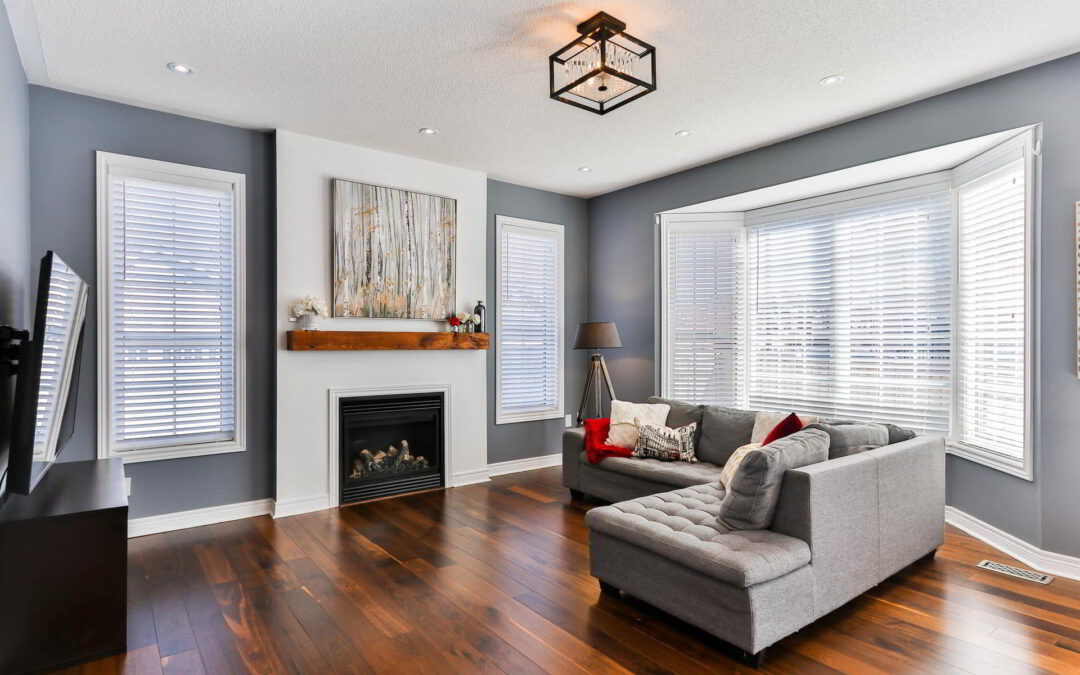
LVP flooring has become one of the most widely discussed materials in modern homes because it blends durability with the appearance of natural wood. Homeowners often encounter the term while researching flooring options and wonder how this material differs from hardwood, laminate, or tile. What is LVP flooring becomes a common question once people begin comparing flooring products for kitchens, living areas, and hallways. The sections ahead explain how LVP flooring is built, where it performs well, and why many households choose this type of flooring. A flooring contractor often recommends LVP flooring for areas exposed to moisture because the U.S. Environmental Protection Agency notes that moisture control is the key to preventing mold growth in homes, making water-resistant flooring an appealing option for many households.
- LVP flooring mimics natural wood patterns
- Layered construction gives flooring durability
- Water resistance makes flooring suitable for busy homes
What Is LVP Flooring
Luxury vinyl plank flooring refers to a type of flooring made from layered vinyl materials designed to resemble wood planks. One homeowner once installed LVP flooring in a hallway and later added the same flooring to the kitchen because the appearance stayed consistent even after years of foot traffic. The material often includes a protective wear layer above a printed design layer, then a rigid core that supports the plank. Flooring specialists frequently point to LVP flooring as a durable choice.
- LVP flooring uses layered vinyl construction
- Planks often resemble oak or maple wood
- Protective wear layers guard flooring surfaces
Luxury Vinyl Plank Construction
Manufacturers design LVP flooring using multiple layers that work together to protect the surface and maintain plank stability. The U.S. Department of Energy notes that many building materials use layered construction to improve durability and resistance to environmental changes. LVP flooring typically includes a backing layer, a rigid core, a printed wood design, and a protective top layer that shields the flooring from scratches. Each layer serves a purpose.
- Backing layers stabilize flooring planks
- Rigid cores support structural strength
- Wear layers shield flooring surfaces
Benefits of LVP Flooring
Many homeowners consider LVP flooring because it provides durability without requiring the maintenance associated with natural hardwood. The U.S. Department of Housing and Urban Development notes that durable flooring materials often increase long term household value when properly maintained. LVP flooring resists moisture, scratches, and dents better than many traditional flooring options. These characteristics make flooring easier to maintain.
- LVP flooring resists moisture exposure
- Durable surfaces tolerate daily activity
- Cleaning routines remain simple
LVP Flooring Waterproof Features
Water resistance remains one of the most discussed characteristics of LVP flooring. The Environmental Protection Agency explains that water damage contributes to many household repair issues when moisture affects building materials. LVP flooring often includes a rigid core that limits moisture penetration and protects the structure beneath the surface. This feature allows flooring to perform well in areas where spills may occur.
- LVP flooring resists surface moisture
- Rigid cores limit water penetration
- Plank seams help protect flooring layers
Types of LVP Flooring
Several variations of LVP flooring exist, each designed with slightly different structural components. WPC flooring includes a wood plastic composite core while SPC flooring contains a stone plastic composite core that adds weight and stability. According to the National Institute of Standards and Technology, composite materials are widely used in building products because combining materials can improve performance characteristics such as durability and strength. LVP flooring designs vary widely, allowing homeowners to select flooring based on moisture resistance, comfort, and expected traffic levels.
- WPC flooring contains composite wood materials
- SPC flooring includes mineral based cores
- Each flooring type offers different structural strength

LVP Flooring Installation Methods
Installation methods influence how LVP flooring performs inside a home. Many planks feature click lock edges that connect together, creating a floating flooring system above the subfloor. The U.S. Department of Energy explains that floating flooring allows expansion and contraction as indoor temperatures change. LVP flooring often installs quickly.
- Click lock systems connect planks together
- Floating flooring rests above the subfloor
- Glue down methods secure flooring permanently
LVP Flooring vs Hardwood
Hardwood flooring remains a classic material, yet LVP flooring offers advantages in areas exposed to moisture or heavy use. The U.S. Forest Service explains that hardwood expands and contracts when humidity levels shift. LVP flooring resists that movement because its core layers remain stable. Flooring performance often depends on location.
- Hardwood flooring contains natural wood planks
- LVP flooring resists moisture exposure
- Both flooring types offer wood style appearances
LVP Flooring vs Laminate
Laminate flooring shares some visual similarities with LVP flooring though the internal structure differs significantly. Laminate planks contain compressed fiberboard cores which may react to moisture over time. LVP flooring relies on vinyl based layers that tolerate moisture exposure more effectively. According to the U.S. Environmental Protection Agency, controlling moisture is the key to preventing mold growth in homes, making moisture-resistant flooring an important consideration in areas exposed to humidity or spills. Flooring selection often depends on room conditions.
- Laminate flooring contains wood based cores
- LVP flooring includes vinyl layers
- Water resistance varies between flooring types
Best Rooms For LVP
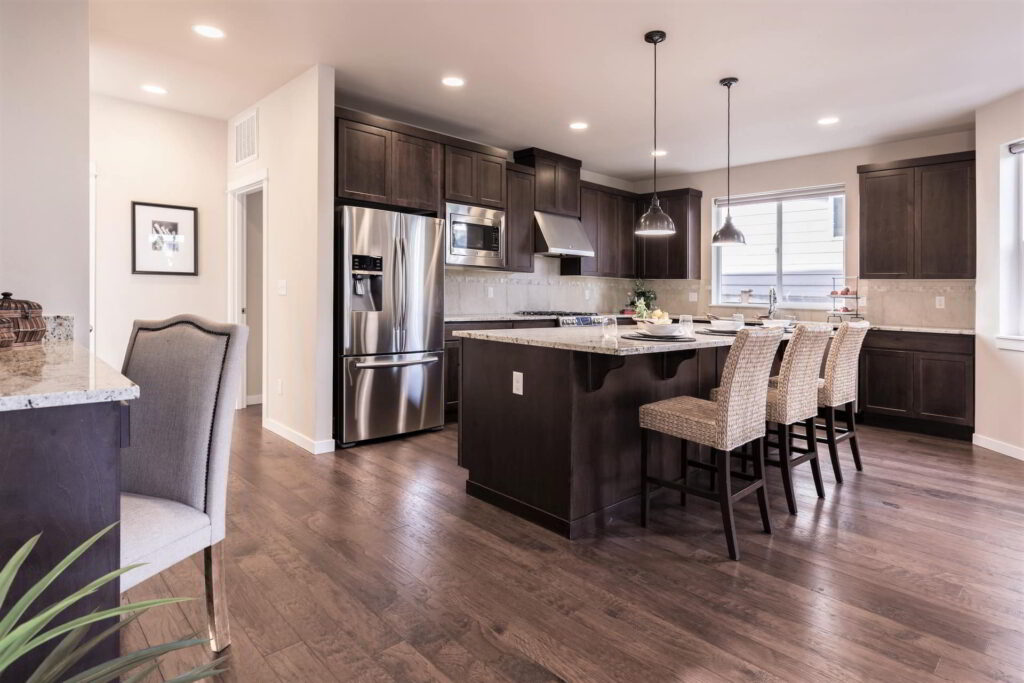
LVP flooring performs well in areas where water exposure or foot traffic occurs frequently. The U.S. Department of Energy reports that kitchens and entryways experience significant daily activity compared to other rooms. Many homeowners choose LVP flooring for kitchens, bathrooms, and hallways because the material tolerates spills and movement. Flooring durability matters in these areas.
- Kitchens benefit from water resistant flooring
- Entryways experience heavy foot traffic
- Bathrooms require moisture tolerant flooring
Cleaning LVP Flooring
Cleaning routines for LVP flooring remain simple compared with other flooring materials. The Centers for Disease Control and Prevention notes that dust and debris accumulate inside homes through daily activity. Regular sweeping followed by damp microfiber cleaning keeps LVP flooring clear of residue. Flooring surfaces respond well to gentle care.
- Microfiber tools collect dust from flooring
- Damp cleaning removes surface residue
- Routine sweeping protects flooring finish
LVP Flooring Durability
LVP flooring often lasts many years when installed and maintained correctly. According to the National Association of Home Builders, vinyl flooring products may last between 10 and 25 years depending on wear levels and maintenance practices. Protective wear layers on LVP flooring shield the surface from scratches and dents. The U.S. Environmental Protection Agency notes that regular cleaning and maintenance of interior surfaces can help preserve indoor materials and extend their useful life. Flooring longevity depends on care.
- Wear layers protect flooring surfaces
- Durability varies by plank thickness
- Routine cleaning extends flooring lifespan
Choosing LVP Flooring
Homeowners selecting LVP flooring often compare plank thickness, wear layer ratings, and visual patterns before making a decision. The Federal Housing Administration notes that durable building materials contribute to long term property value when properly maintained. Thicker planks with stronger wear layers often provide better resistance to daily activity. Flooring selection requires attention to detail.
- Plank thickness influences flooring strength
- Wear layers determine scratch resistance
- Surface patterns affect flooring appearance
LVP Flooring Long Term Care
Routine maintenance helps LVP flooring maintain its appearance for many years, which explains why many installers emphasize consistent cleaning habits. The Environmental Protection Agency reports that indoor dust and debris gradually wear down surfaces when left unchecked. Homeowners who sweep regularly and clean spills quickly often preserve LVP flooring far longer than expected. Flooring maintenance protects the structure.
- Routine sweeping prevents debris buildup
- Quick spill cleanup protects flooring layers
- Furniture pads reduce wear on flooring

LVP Flooring Guide Key Takeaways
- LVP flooring combines layered vinyl construction with wood style appearance
- Water resistant design allows flooring to perform in kitchens and bathrooms
- Wear layers protect flooring from scratches and dents
- Simple cleaning routines help flooring maintain appearance
- Installation systems allow flooring to expand and contract naturally
Frequently Asked Questions
Why do homeowners choose LVP flooring instead of hardwood?
Many households choose LVP flooring because it resists moisture and scratches while still offering a wood inspired appearance.
Can LVP flooring handle spills in kitchens?
LVP flooring often performs well in kitchens because vinyl layers resist water exposure and limit swelling.
How long does LVP flooring usually last?
Most LVP flooring lasts between ten and twenty five years depending on wear levels and maintenance routines.
Does LVP flooring feel similar to wood?
Many planks include textured surfaces that mimic natural grain patterns which helps the flooring resemble real wood.
Is LVP flooring difficult to maintain?
Routine sweeping and occasional damp cleaning usually keep LVP flooring in good condition.